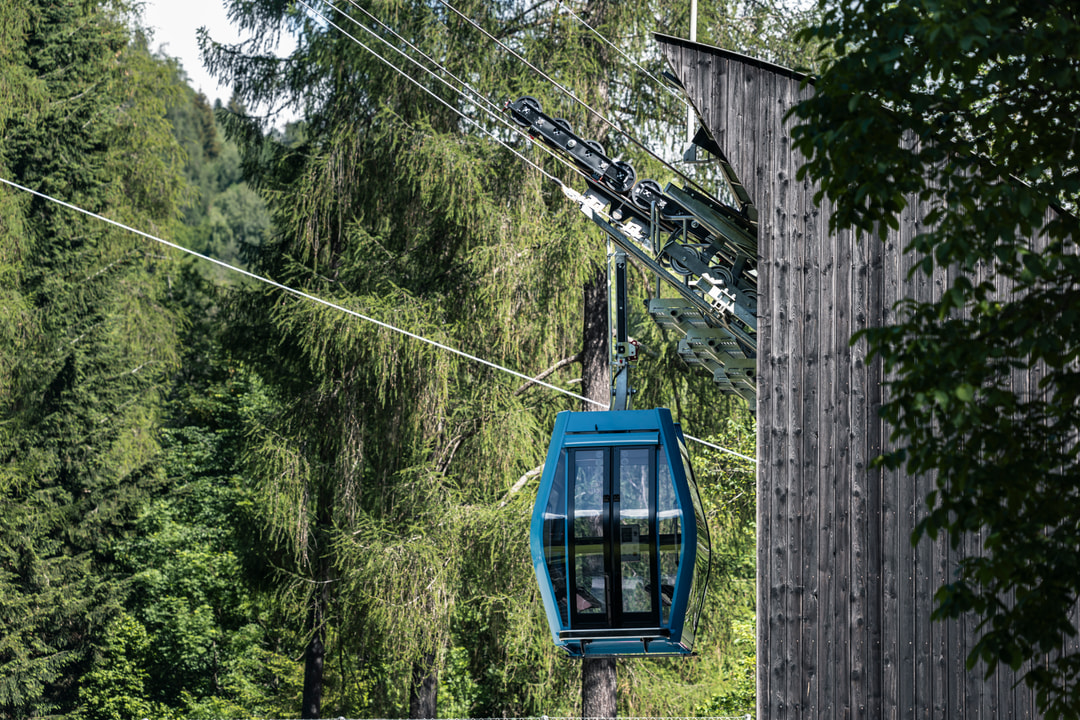
First RopeTwin Installation Successfully Commissioned
New Rodi–Tremorgio aerial tramway opens
With the successful commissioning of the modernized Rodi–Tremorgio aerial tramway, the first RopeTwin installation by Bartholet Ropeways AG has officially entered service. The project marks a significant milestone for the new system platform and demonstrates its performance and reliability under demanding alpine conditions.
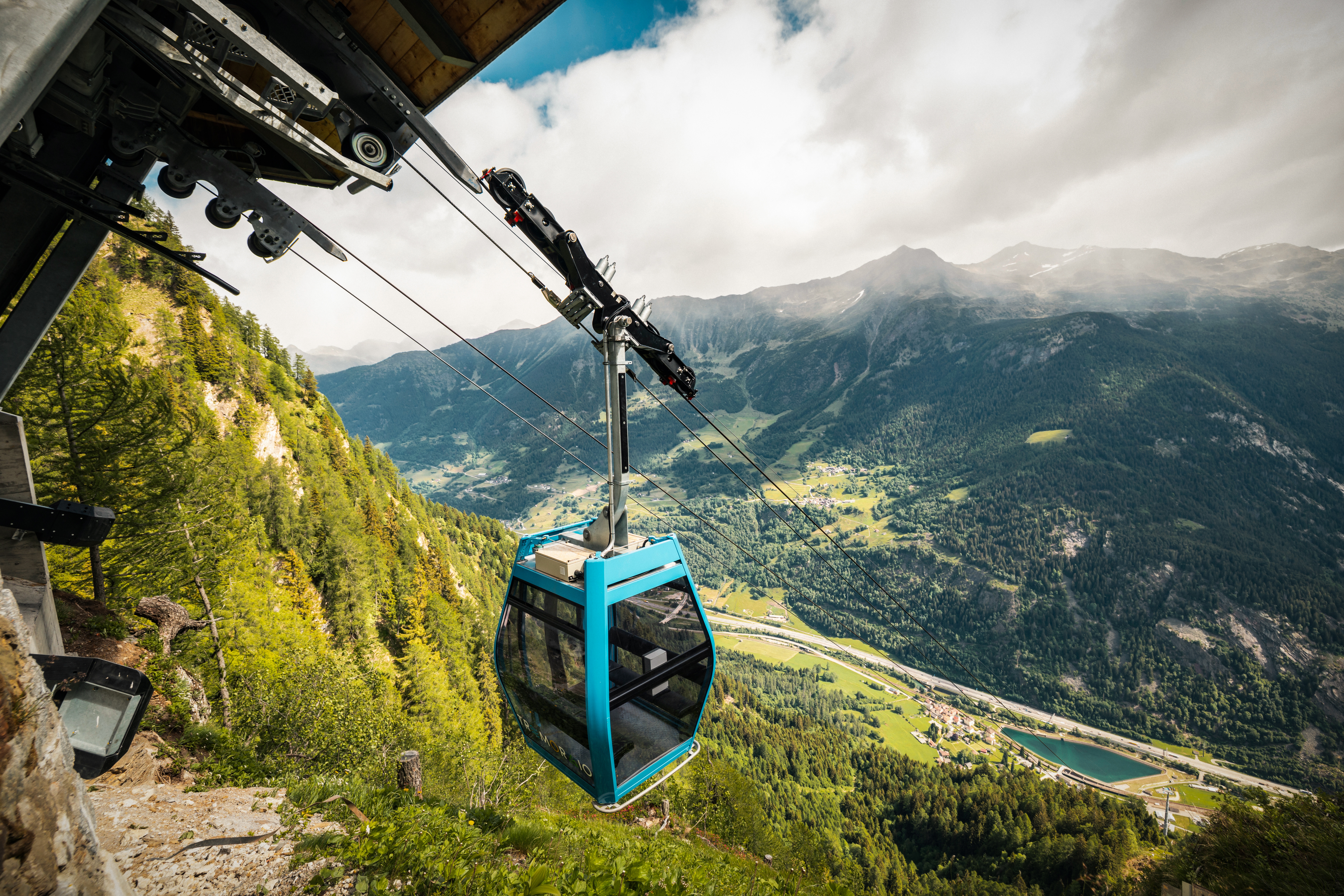
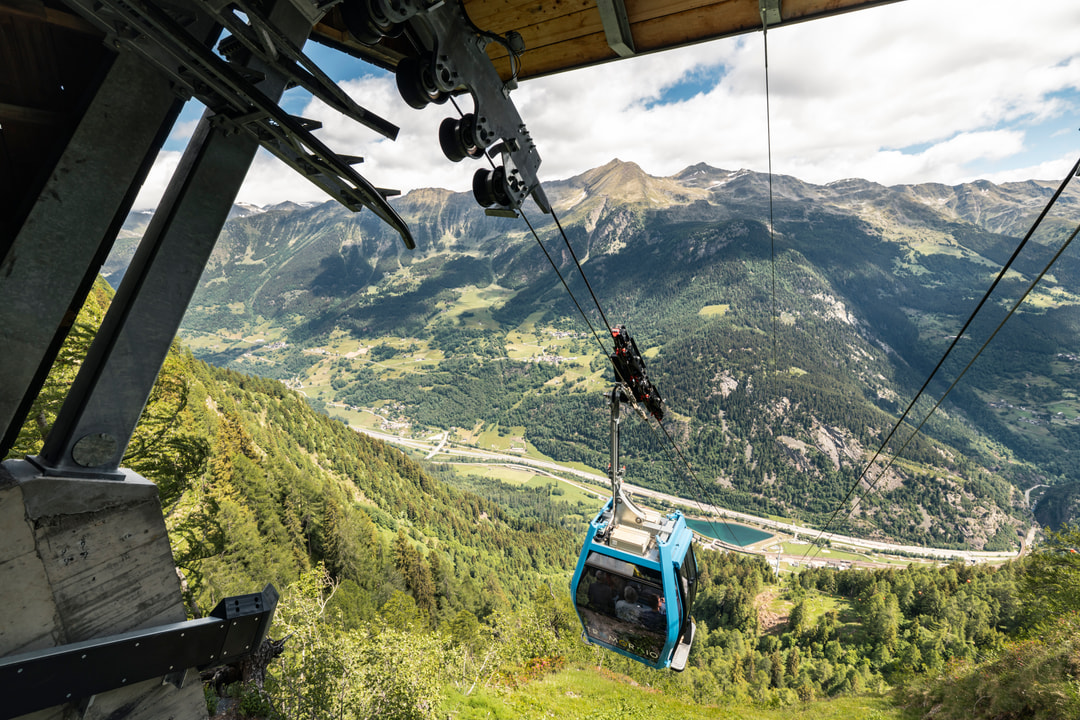
Since June 6, 2026, the upgraded installation has connected the village of Rodi-Fiesso at 940 meters above sea level with Lake Tremorgio at 1,830 meters in just five minutes. The mountain lake, described by Carlo Taddei as “a jewel, a sapphire nestled in a hollow,” is one of the most impressive natural attractions in the region and serves as a starting point for numerous hiking routes.
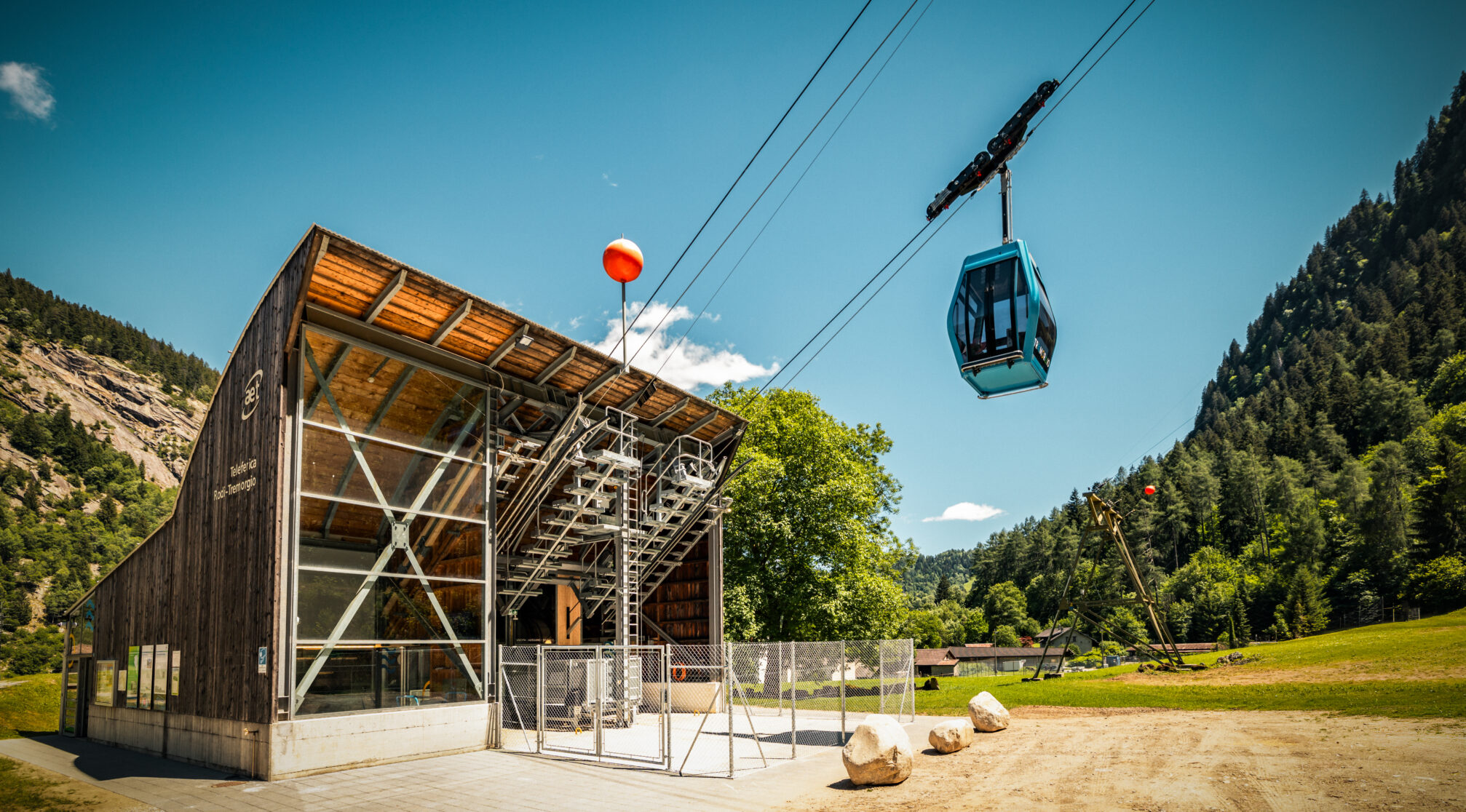
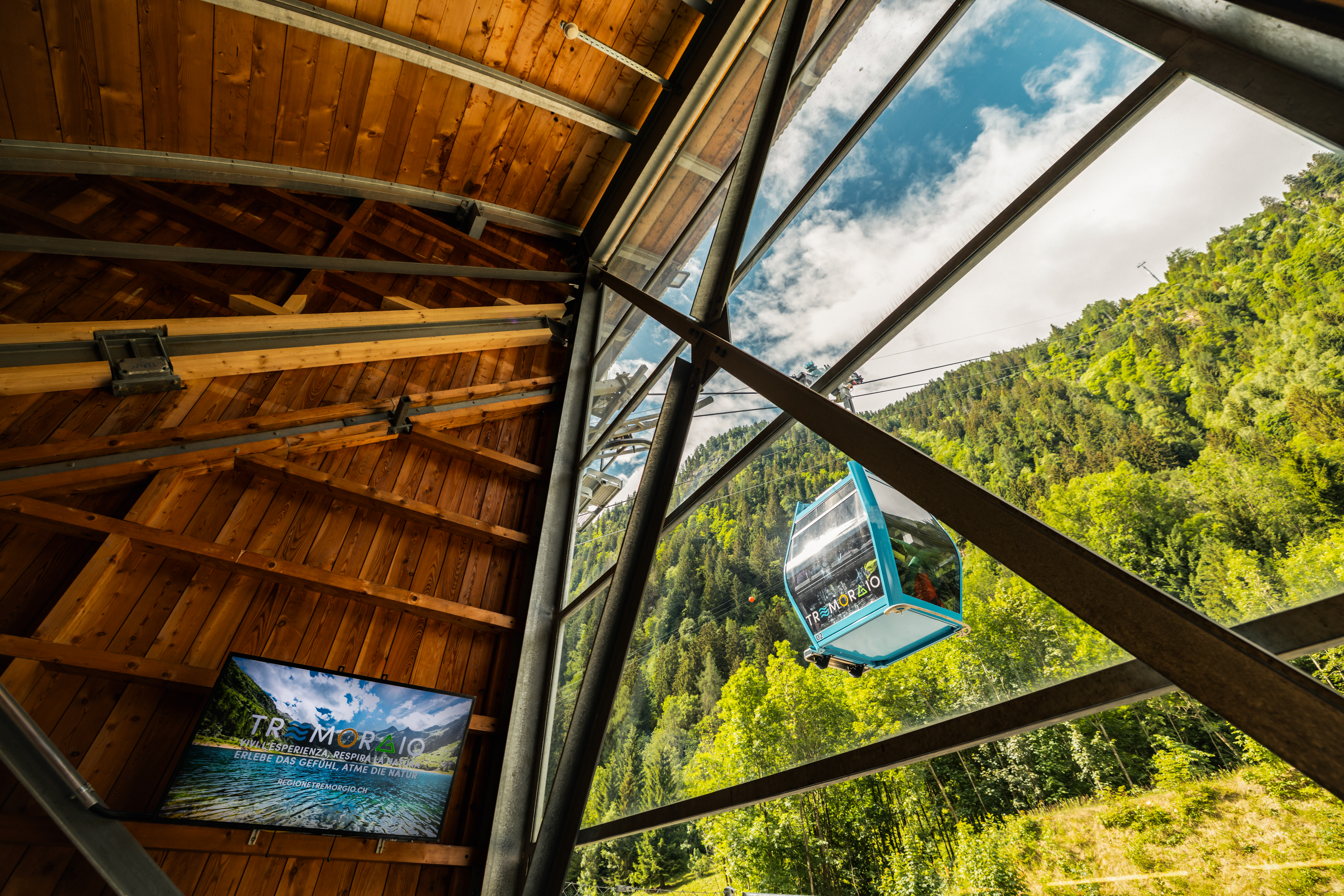
As part of the comprehensive modernization, the existing station buildings were preserved, while all ropeway equipment and the control system were completely renewed. The project thus combines proven infrastructure with state-of-the-art ropeway technology.
Optimized line and challenging execution
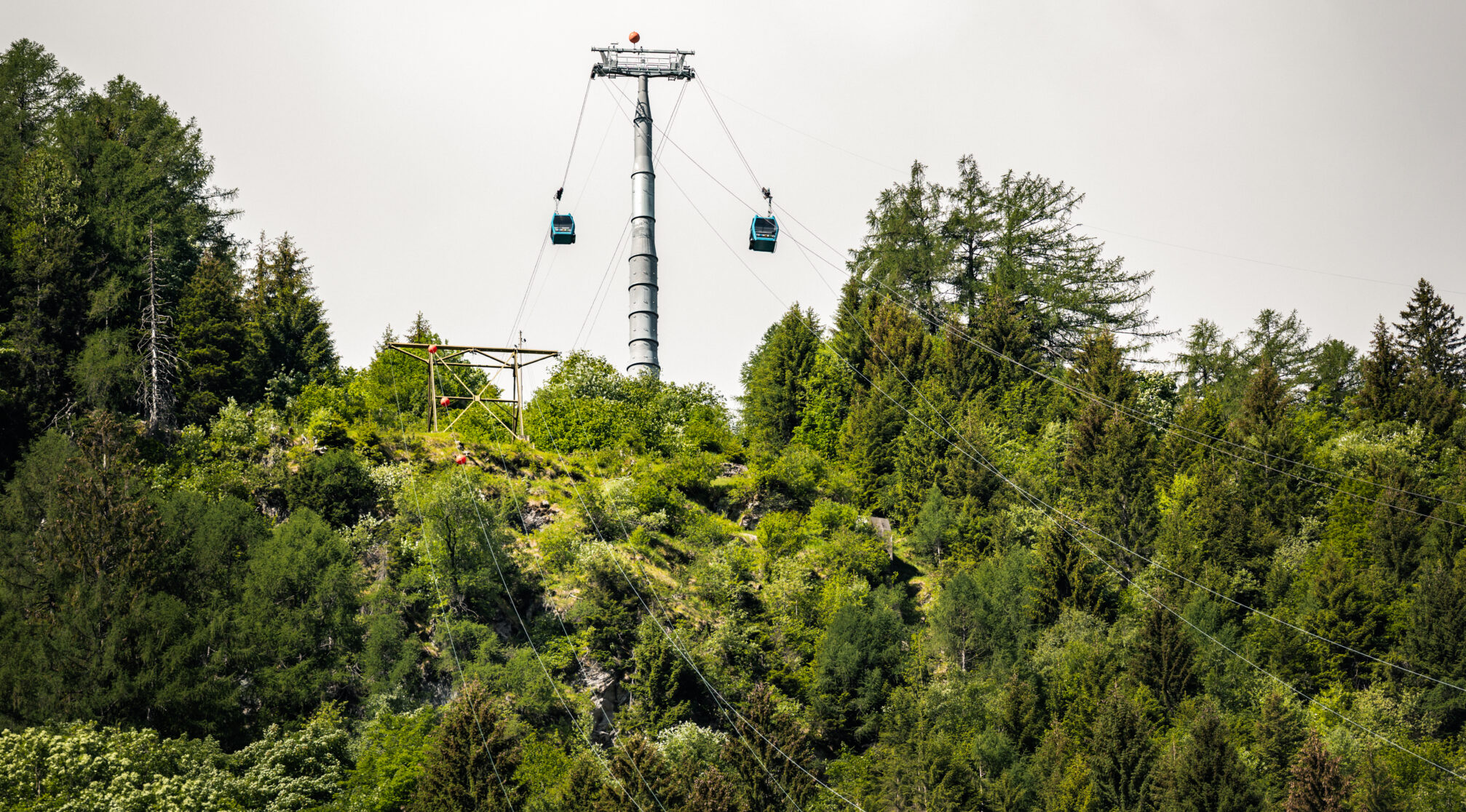
A key feature of the new installation is the optimized line layout. The former two lattice towers were replaced by a single 42-meter-high tubular steel tower, dividing the line into two sections of around 650 meters each. This new alignment improves operational performance and ensures particularly smooth and stable ride characteristics.
A particular challenge was the mountain station, which is accessible only by helicopter. Planning, logistics, and installation required maximum precision and close coordination among all project stakeholders. The project serves as a prime example of Bartholet’s ability to deliver reliable, efficient, and economically viable solutions, even under the most demanding conditions.
Premiere for the RopeTwin system
RopeTwin marks the debut of the new modular system for small aerial tramways in Rodi. The platform stands out for its compact design, high flexibility, and maintenance-friendly construction. This results in increased operational reliability and system availability, significantly reduced maintenance requirements, and enhanced flexibility for a wide range of applications.