Design Engineer
Tasks and Responsibilities
Design Engineers develop, model and design mechanical, electrical and electronic devices, machines and systems. They work in companies within the machinery, electrical and metal industry (MEM industry).
For example, when a new design for a vacuum cleaner or the development of a spoiler for a sports car is commissioned, design engineers are involved in its implementation. In addition to new developments, their tasks often include modifications to existing devices. Throughout all phases of the design process, they work closely with specialists such as engineers to jointly develop and implement a concept.
During the concept phase, design engineers rely on specifications that contain the key information regarding function, manufacturing, quality and costs. They discuss various options for meeting customer requirements, technical specifications and applicable standards. Initial concepts are usually sketched by hand.
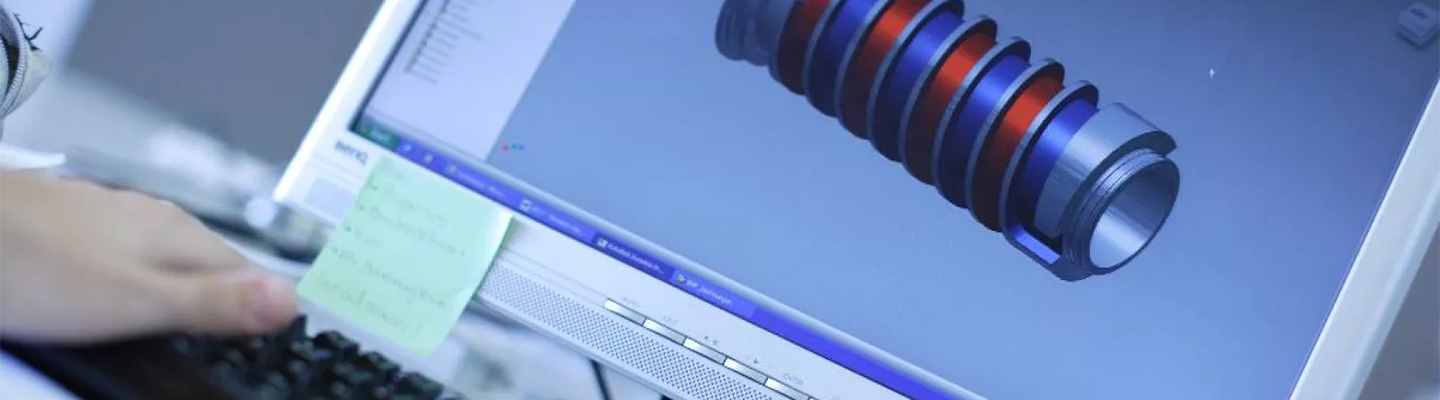
Once a design concept has been selected for further development, design engineers create three-dimensional design drawings using CAD software. They carry out the required calculations and define geometric shapes, dimensions and tolerances, as well as specifications regarding surface finishes and materials. Based on these documents, a prototype is manufactured. If the prototype meets the requirements, the final drawings for series production, including technical documentation with production data and bills of materials, are prepared.
Design engineers also prepare documentation for the manufacture, assembly, operation and maintenance of devices, machines and systems. In addition to design drawings, this documentation includes product descriptions, technical data, as well as operating and maintenance instructions.
Apprenticeship
Duration
4 years
Practical Training
In the first two years of education, basic and supplementary training is provided. In the 3rd and 4th years, two areas of specialized training are covered.
School-Based Education
- 1–2 days per week at the vocational school.
- Job-related subjects: Technical fundamentals (mathematics, computer science, learning and work techniques, physics), technical English, materials and manufacturing technology, drawing and machine technology, electrical and control engineering, and cross-disciplinary projects.
- Inter-company courses: Practical learning and practice of professional fundamentals.
- The vocational baccalaureate can be attended during basic training in the case of excellent academic performance.
Qualification
Federal VET Diploma «Design Engineer EFZ»
Requirements
Educational Background
-
Completed compulsory schooling, upper or middle school level with good grades
-
Good performance in geometry, mathematics and physics
Skills and Competencies
-
Technical understanding
-
Interest in technical systems and mechanics
-
Ability to comprehend abstract concepts
-
Spatial imagination skills
-
Manual dexterity and fine motor skills
-
Accurate and careful working style
-
Enjoyment of working with computers
-
Concentration, patience and perseverance
-
Teamwork skills
-
Reliability