Loser Panoramabahn – more panorama, sustainability and progress
In the Altaussee region, a remarkable development in alpine transport is taking shape. The Loser Panoramabahn, scheduled to enter operation in 2024, represents a pioneering project. Replacing the Loser-Jet and the Loser 2 double chairlift, which previously served as the main transport facilities in this ski area, the new ropeway embodies a forward-looking vision with a strong focus on sustainability and user comfort.
The Loser Panoramabahn connects the valley station at 859 meters with the mountain station at 1610 meters via an intermediate station near the Augstalm car park at 1402 meters. These strategically positioned stations allow more efficient use of the large snow volumes on Mount Loser and offer optimal conditions for skiers in winter as well as toboggan enthusiasts in summer.
A key feature of the new installation is the barrier-free access to the spacious 10-passenger cabins, which also enable non-skiers such as winter hikers to enjoy the region’s attractions.
Designed by Studio F. A. Porsche, the cabins are equipped with panoramic windows that provide passengers with impressive views of the surrounding mountain landscape. The technical specifications of the ropeway are equally impressive: a maximum operating speed of 6 meters per second and a transport capacity of 1800P/h with a total of 76 vehicles. The line length is 3500 meters, and the journey from the valley to the mountain takes only around 10 minutes.
Sustainability is a central aspect of this project. The stations will be equipped with photovoltaic systems, and around 50% of the energy demand is planned to be covered by renewable sources. In addition, a small hydropower plant will be integrated, utilising the existing pipeline network.
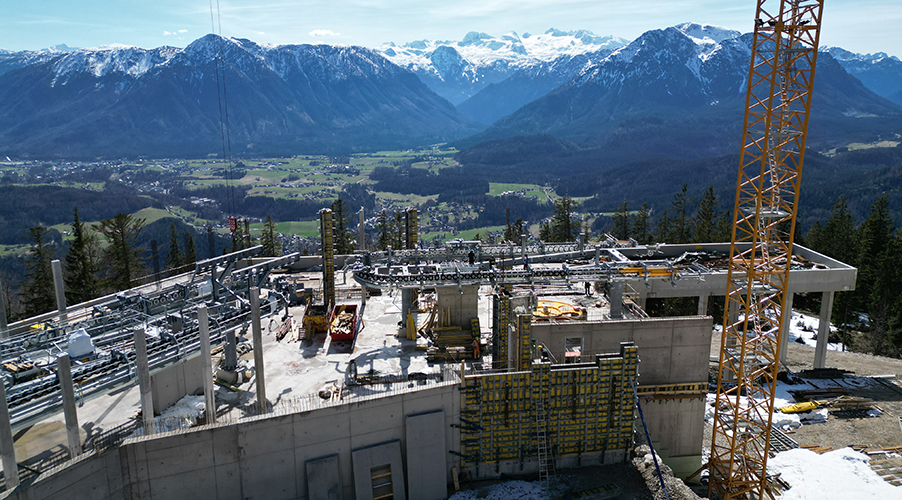
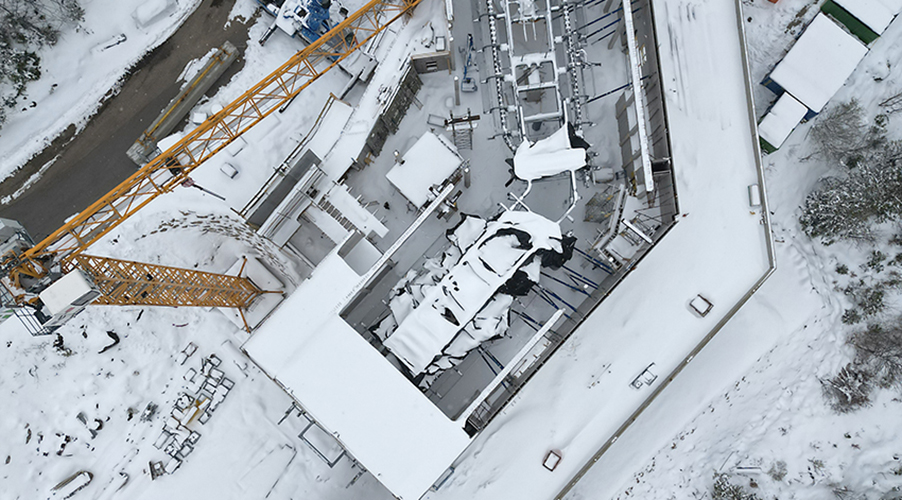
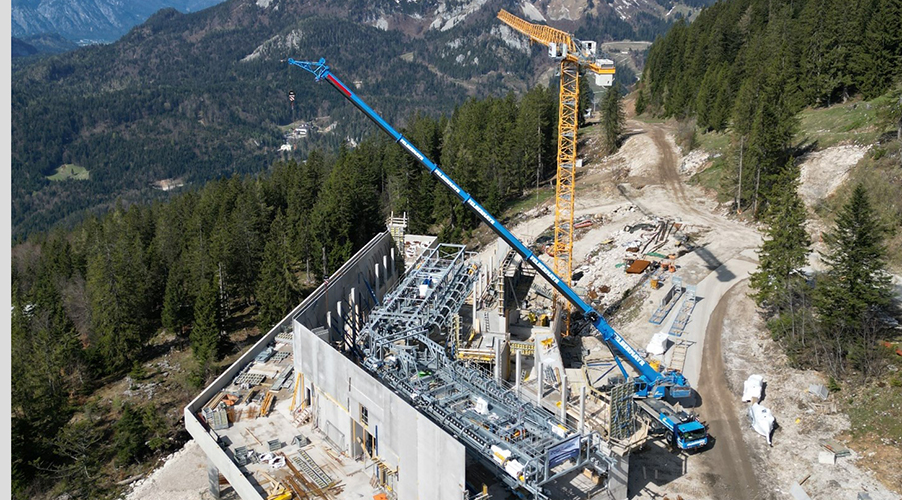
Construction of the ropeway has already made significant progress despite the challenges posed by winter weather. Since work began in August 2023, the foundations and technical installations at the valley station are almost fully completed, with tower erection scheduled for mid-May.
This installation will not only reduce annual car traffic to the mountain by around 30000 trips, but will also set new standards in alpine sustainability and mobility. The project clearly demonstrates how modern technology and environmentally responsible design can work together to enhance the alpine experience for all visitors while preserving the natural environment.